
Economic activities are the foundation of every society. They include all actions involved in producing, distributing, and consuming goods and services. These activities range from farming, fishing, and manufacturing to tourism, retail, and technology. They create jobs, generate income, and improve living standards. However, economic growth often comes with environmental and social costs. When industries overuse natural resources, pollute ecosystems, or neglect community welfare, the benefits of growth may be short-lived. This is where sustainability becomes essential.
Sustainability means meeting the needs of the present without compromising the ability of future generations to meet their own needs. It focuses on balancing three key pillars: economic growth, environmental protection, and social well-being. In the modern world, sustainable economic activities are increasingly recognized as the best path toward long-term prosperity.
Understanding Economic Activities
Economic activities are generally divided into three main sectors:
- Primary Activities – These involve extracting natural resources directly from the environment, such as agriculture, fishing, forestry, and mining.
- Secondary Activities – These include manufacturing and construction, where raw materials are transformed into finished products.
- Tertiary Activities – These consist of services such as education, healthcare, tourism, banking, and information technology.
Each sector plays a crucial role in supporting economies and providing employment. However, all sectors also have environmental and social impacts that must be managed responsibly.
The Relationship Between Economic Growth and Sustainability
Economic growth is often measured by increased production, higher incomes, and improved infrastructure. While growth can reduce poverty and raise living standards, it may also lead to deforestation, pollution, waste generation, and climate change if pursued without limits.
For example, large-scale agriculture can increase food production but may also degrade soil and contaminate water with chemicals. Manufacturing creates products and jobs but often consumes large amounts of energy and produces greenhouse gas emissions. Tourism can bring income to local communities but may damage natural attractions if visitor numbers are not properly controlled.
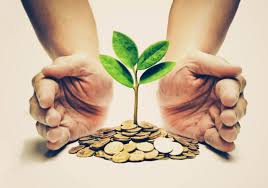
Sustainability ensures that economic activities continue to generate benefits while minimizing harm to the environment and society.
Sustainable Practices in Different Economic Sectors
Agriculture
Sustainable agriculture uses methods that preserve soil fertility, reduce chemical use, and conserve water. Techniques such as crop rotation, organic farming, and integrated pest management help farmers maintain productivity while protecting ecosystems. These practices also improve food security and reduce long-term costs.
Manufacturing
Sustainable manufacturing focuses on energy efficiency, waste reduction, and cleaner production methods. Many companies now adopt recycling programs, renewable energy sources, and eco-friendly materials. These changes lower environmental impacts and can improve profitability by reducing resource use.
Tourism
Sustainable tourism promotes responsible travel that respects local cultures and protects natural resources. Eco-tourism, community-based tourism, and conservation-focused initiatives provide income while encouraging environmental stewardship. Tourists and businesses alike benefit when destinations remain attractive and well-preserved.
Fisheries and Forestry
Responsible management of forests and marine resources prevents overexploitation. Practices such as reforestation, selective logging, and catch limits help ensure that resources remain available for future generations.
Technology and Services
Digital technologies can support sustainability by improving efficiency, reducing waste, and enabling remote work. Online services, smart systems, and data analysis help businesses use resources more effectively and lower their environmental footprint.
Benefits of Sustainable Economic Activities
Adopting sustainable practices offers numerous advantages:
- Long-Term Resource Availability – Natural resources are conserved for future use.
- Cost Savings – Efficient use of energy and materials reduces expenses.
- Job Creation – Green industries and renewable energy sectors create new employment opportunities.
- Improved Public Health – Reduced pollution leads to cleaner air, water, and safer living conditions.
- Stronger Communities – Sustainable businesses often invest in local development and fair labor practices.
- Business Competitiveness – Consumers increasingly prefer environmentally responsible companies.
These benefits demonstrate that sustainability is not an obstacle to economic growth but a strategy for making growth more resilient and inclusive.
Challenges to Achieving Sustainability
Despite its advantages, sustainability can be difficult to implement. Businesses may face high initial costs when investing in renewable energy or cleaner technologies. Some industries resist change due to established practices and short-term profit goals. Governments may struggle to enforce environmental regulations, especially in developing countries with limited resources.
Public awareness is another challenge. Consumers and communities may not fully understand how their choices affect the environment. Education and advocacy are essential to encouraging more sustainable behavior.
The Role of Governments and Businesses
Governments play a critical role in promoting sustainable economic activities through laws, incentives, and public investment. Policies such as carbon taxes, renewable energy subsidies, and environmental standards encourage responsible business practices.
Businesses also have a responsibility to integrate sustainability into their operations. Corporate social responsibility (CSR) programs, sustainability reporting, and ethical sourcing demonstrate a commitment to balancing profit with social and environmental concerns.
Small businesses are especially important because they make up a large share of many economies. By reducing waste, supporting local suppliers, and adopting efficient technologies, even small enterprises can make a significant contribution.
Individual Responsibility
Consumers influence economic activities through the products they buy and the companies they support. Choosing locally produced goods, reducing waste, conserving energy, and supporting ethical businesses all contribute to sustainability.
Individuals can also advocate for better policies and participate in community initiatives that protect the environment and promote social equity.
Conclusion
Economic activities are essential for development and improving quality of life, but they must be carried out responsibly to ensure long-term prosperity. Sustainability provides a framework for balancing economic growth with environmental protection and social well-being. Whether in agriculture, manufacturing, tourism, or technology, sustainable practices help conserve resources, create jobs, and strengthen communities.
As global challenges such as climate change, resource depletion, and inequality continue to grow, integrating sustainability into economic activities is no longer optional—it is necessary. By working together, governments, businesses, and individuals can build an economy that meets present needs while safeguarding the planet and opportunities for future generations.