
Development and land use are closely connected concepts that shape the way people live, work, and interact with their environment. Development refers to the process of improving economic, social, and physical conditions in a community or region. Land use, on the other hand, describes how land is utilized for different purposes such as housing, agriculture, industry, recreation, and transportation. Together, development and land use influence the growth of cities, towns, and rural areas, affecting both human well-being and environmental sustainability.
Understanding Development
Development is often associated with economic progress, infrastructure expansion, and improvements in living standards. It includes the construction of roads, schools, hospitals, housing, and business centers. Development can also involve social changes such as increased access to education, healthcare, and employment opportunities.
There are several types of development. Urban development focuses on improving cities and towns, while rural development aims to enhance the quality of life in countryside communities. Industrial development promotes manufacturing and production, and sustainable development seeks to balance economic growth with environmental protection and social equity.
The primary goal of development is to meet the needs of the present population while creating opportunities for future generations. Effective development requires careful planning to ensure that resources are used efficiently and that negative impacts are minimized.
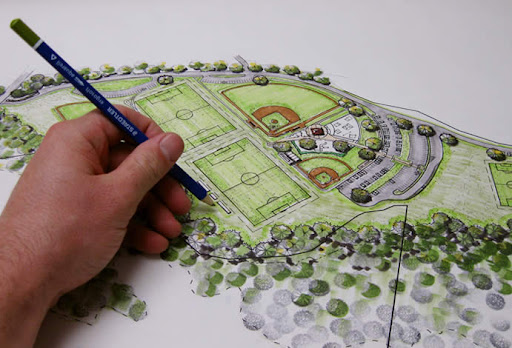
What Is Land Use?
Land use refers to the way humans manage and modify land to serve specific purposes. Common land uses include:
- Residential Land Use – Areas designated for homes, apartments, and housing communities.
- Commercial Land Use – Spaces used for businesses such as stores, offices, and restaurants.
- Industrial Land Use – Land allocated for factories, warehouses, and production facilities.
- Agricultural Land Use – Areas devoted to farming, livestock raising, and crop cultivation.
- Recreational Land Use – Parks, playgrounds, and sports facilities.
- Transportation Land Use – Roads, railways, airports, and ports.
- Conservation Land Use – Protected forests, wetlands, and wildlife reserves.
Land use patterns vary depending on geography, population size, economic activities, and government policies. In rapidly growing communities, land use changes frequently as new demands arise.
The Relationship Between Development and Land Use
Development and land use are interdependent. Every development project requires land, and the way land is used determines the type and scale of development that can occur. For example, constructing a new housing subdivision requires converting land from agricultural or vacant use into residential use. Similarly, establishing a manufacturing plant may change open land into industrial use.
As populations increase, the demand for land also rises. More housing, transportation systems, schools, and commercial establishments are needed to support expanding communities. Without proper land use planning, development can lead to overcrowding, traffic congestion, pollution, and loss of natural habitats.
Land use planning helps guide development by determining which areas are suitable for specific activities. Zoning laws and regulations are commonly used to separate incompatible land uses, such as keeping heavy industries away from residential neighborhoods.
Urban Development and Land Use Change
Urbanization is one of the most significant drivers of land use change. As cities expand, farmland, forests, and wetlands are often converted into built-up areas. This process can stimulate economic growth and improve access to services, but it can also create environmental challenges.
Urban sprawl, for example, occurs when cities spread outward in a low-density and unplanned manner. This can result in increased dependence on cars, higher infrastructure costs, and the destruction of agricultural land. In contrast, compact urban development promotes efficient land use by concentrating housing, businesses, and services in well-connected areas.
Mixed-use development is another modern approach that combines residential, commercial, and recreational functions within a single area. This strategy reduces travel distances, encourages walking, and creates more vibrant communities.
Environmental Impacts of Land Development
Land development often alters natural landscapes and ecosystems. Clearing vegetation for construction can lead to soil erosion, habitat destruction, and reduced biodiversity. Impermeable surfaces such as roads and parking lots increase stormwater runoff, which can contribute to flooding and water pollution.
Agricultural expansion can also affect land quality if unsustainable farming practices cause deforestation, soil degradation, and overuse of water resources. Industrial development may generate air and water pollution if environmental safeguards are not enforced.
Sustainable land use practices are essential to reduce these impacts. These include preserving green spaces, protecting watersheds, implementing erosion controls, and promoting energy-efficient building designs.
Sustainable Development and Smart Land Use
Sustainable development emphasizes the responsible use of land and resources to balance economic growth, environmental protection, and social well-being. Smart land use planning encourages efficient transportation systems, compact communities, and the conservation of natural areas.
Examples of sustainable land use strategies include:
- Redeveloping vacant urban lots instead of clearing new land
- Creating green belts around cities
- Encouraging public transportation and cycling
- Protecting farmland and forests
- Using renewable energy in development projects
Governments, planners, businesses, and citizens all play important roles in implementing sustainable development practices.
Conclusion
Development and land use are fundamental to shaping human settlements and economic progress. While development provides housing, jobs, and infrastructure, land use determines how space is organized and resources are managed. Poorly planned development can lead to environmental degradation and social challenges, but thoughtful land use planning can create healthier, more efficient, and more sustainable communities. By integrating development goals with responsible land use strategies, societies can support growth while preserving the environment for future generations.